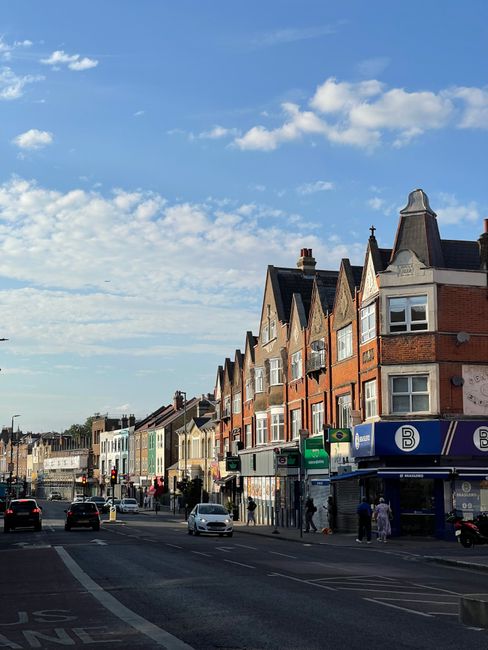
Best man and van routes for Churchfield Road Acton moves
Moving on or around Churchfield Road in Acton sounds simple enough until you actually start planning it. Then the questions arrive fast: Which route avoids the worst congestion? Where can a van stop without causing chaos? How do you handle narrow residential streets, parked cars, and that one heavy item that always seems to take three people? If you are looking for the best man and van routes for Churchfield Road Acton moves, the answer is not just "take the quickest road". It is about choosing a route that fits the time of day, the size of the van, the loading access, and the way Acton actually works on a busy moving day.
This guide breaks down the smartest route choices, the practical risks to watch for, and the small details that make a move smoother. You will get a clear step-by-step process, comparison points, a useful checklist, and a realistic example from the kind of move people do every week around west London. No fluff. Just the stuff that helps you avoid delays and keep the day calm. Well, calmer.
Why Best man and van routes for Churchfield Road Acton moves Matters
Churchfield Road sits in a part of Acton where the street pattern can be friendly one minute and awkward the next. Residential parking, school traffic, delivery vehicles, and the general stop-start flow of west London all affect how a move feels on the ground. A route that looks fine on a map can become a headache if it puts your van into a tight turn, a narrow side street, or a queue that eats up an hour before the first box is even loaded.
That is why route planning matters more than many people expect. For a man and van job, you are not moving an empty vehicle from A to B. You are coordinating loading, parking, access, and timing. If the route supports those things, the whole day becomes easier. If it does not, the move can drift into late arrivals, extra labour, and a lot of unnecessary lifting. And nobody enjoys carrying a wardrobe twice because the nearest stop was a poor choice.
In practical terms, the best route is usually the one that:
- keeps the van moving steadily instead of sitting in avoidable traffic;
- allows a safe, legal place to stop close to the property;
- avoids roads that are awkward for larger vans or moving trucks;
- fits the loading order, especially if you have bulky furniture;
- accounts for rush hour, school runs, or weekend activity;
- reduces the chance of stress on moving day.
This is especially useful if you are booking a man and van service for a flat move, student move, or smaller house relocation. If the job needs a bit more capacity, it may also be worth comparing options with removal van support or even a bigger vehicle from moving truck hire, depending on access and volume.
How Best man and van routes for Churchfield Road Acton moves Works
The route choice usually starts with the property itself. On Churchfield Road, the important detail is rarely just the main road name. It is the exact loading point, the direction of travel, and the access from the nearest larger road. A good mover will think in stages:
- Assess the access. Is there space for a van to stop near the entrance? Are there width restrictions, tight corners, or parked cars that limit turning room?
- Choose the safest approach road. Sometimes a slightly longer approach is better if it keeps the van away from the most congested or awkward streets.
- Plan the loading order. Heavy or fragile items should be placed so they can be loaded quickly once the van is parked.
- Check time windows. Morning traffic, lunchtime movement, and late-afternoon congestion can all change the route choice.
- Allow for the destination. The best route is not only about leaving Churchfield Road. It also includes the arrival point, stairs, lifts, access gates, and parking near the new address.
In real life, this often means the "best route" is the one that looks slightly boring on paper. Straightforward roads. Predictable turns. Fewer surprises. Nothing glamorous, but it works. And to be fair, moving day is not the time to be adventurous.
If your move is a bit more complicated, such as furniture handling, a piano, or boxed items from a flat, the route needs to be paired with the right service. You may want to review furniture removals, piano removals, or packing and boxes support so the route and the load type are planned together rather than separately.
Key Benefits and Practical Advantages
Good route planning does more than save time. It improves the whole moving experience from the first lift to the last box. Here are the main advantages people usually notice straight away.
| Benefit | What it means in practice | Why it matters for Churchfield Road moves |
|---|---|---|
| Shorter loading time | The van can stop closer to the property. | Less carrying distance means less fatigue and fewer trips. |
| Lower risk of delays | The route avoids obvious pinch points. | Traffic around Acton can be unpredictable, especially at busier times. |
| Better item protection | Fewer sudden stops and less rushing. | Fragile furniture and boxed goods are easier to manage. |
| Smoother parking | The route is built around realistic stopping places. | Narrow streets and residential bays need advance thought. |
| Less stress | You know what to expect before moving day starts. | That matters, honestly. A lot. |
There is also a commercial advantage. If your move is billed by time, a cleaner route can reduce wasted minutes and help keep the job efficient. If you are comparing providers, it is worth checking pricing and quotes alongside the route plan so you understand how access, distance, and vehicle size affect the total. The cheapest-looking quote is not always the best value if the route is awkward and the crew ends up wrestling with access for half the day.
Another benefit is flexibility. A good route plan makes it easier to adapt if your first loading point is blocked or if a delivery van is already in your preferred stop. That kind of flexibility often saves the day quietly, without anyone making a big deal of it. Which is how you want a move to go, really.
Who This Is For and When It Makes Sense
This approach makes sense for anyone moving from Churchfield Road or nearby streets in Acton who wants a practical, low-drama move. It is especially useful for:
- flat moves where stair access or lift timing matters;
- student moves with mixed box sizes and flexible timing;
- smaller house moves where one van load may be enough;
- single-item moves, such as furniture pick-up or bulky household pieces;
- same-day jobs that need a quick, realistic route;
- office or small commercial moves where downtime has to be kept tight.
If you are moving from a top-floor flat, a route that gets the van closer to the entrance can save a surprising amount of effort. If you are moving from a house with a long front path, access still matters, but the route may need to prioritise parking and turnaround space. That is where services like flat removals, house removals, and student removals become more relevant than a generic one-size-fits-all approach.
It also makes sense if you are trying to combine moving with storage, for example when completion dates do not line up or you need time between properties. In those cases, route planning should include the storage stop and the loading sequence. A decent provider will think about that early, not halfway through the job after a sweaty lunch break and a missing mattress bag.
Step-by-Step Guidance
Here is a practical way to plan the best man and van route for a Churchfield Road Acton move.
- Pin down the exact addresses. Not just the street name, but the building number, access point, and any rear entry or side access.
- Check the load. Count larger items, fragile items, and anything awkward like plants, mirrors, or office chairs.
- Decide the vehicle size. A compact van can help with narrow access, but a larger vehicle may be better if you want fewer trips.
- Work backwards from the loading point. Where can the van legally stop without blocking traffic or causing unnecessary risk?
- Choose a route that suits the street pattern. In west London, a slightly longer route can be easier if it avoids slow-moving bottlenecks.
- Set a realistic arrival window. Build in a buffer for traffic, parking, and the time it takes to get from the van to the door.
- Pack in the right order. Put the items you need first near the door and label boxes clearly.
- Confirm the plan with the mover. A short call or message can avoid misunderstandings later.
A simple example: if you are moving from a first-floor flat on Churchfield Road to another property nearby, the best route may not be the shortest on a map. It may be the one that allows the driver to stop closest to the entrance, unload in one continuous flow, and then move on without circling for parking. Small thing, big difference.
If the move includes added handling or a larger load, you may want to look at removals or removal services more broadly, because the route plan should match the scope of the job, not the other way around.
Expert Tips for Better Results
These are the small, experienced moves that tend to pay off.
- Book outside peak congestion where possible. Mid-morning is often easier than school-run or evening rush periods.
- Think about the destination first. Some moves fall apart because the route to the new place is easy but unloading access is not.
- Avoid overfilling the van. Leaving a little space makes loading safer and less stressful.
- Keep a clear "first out" section. Essentials should be the last items loaded, so they come out first.
- Use one person to direct. Too many instructions at once can slow everything down. Been there, seen it, not ideal.
- Check for low branches, tight corners, and parking restrictions. The route may technically be fine but still awkward for a taller vehicle.
- Allow time for the last 10 minutes. That last bit is often where delays show up.
If you have valuable or delicate items, factor in protection before the van even arrives. It is much easier to move items securely when they are wrapped, boxed, and ready. That is why services such as packing and unpacking services can be worth considering, especially when you are juggling work, family, or a tight moving window.
One practical habit I always recommend: walk the route from the front door to the van in your head. Doorway, stairs, pavement, stop point, van doors, load order. If one of those stages looks clumsy, it probably is.
Common Mistakes to Avoid
Most moving problems are not dramatic. They are small planning mistakes that compound. That is the annoying part.
- Assuming the shortest route is the best route. In Acton, traffic and parking reality matter more than map distance.
- Ignoring loading restrictions. Even a great route can fail if the van cannot stop safely near the property.
- Not checking van size against access. A bigger van is not always better if the street is tight.
- Forgetting about timing. A 20-minute route at 8:30 a.m. may be a 45-minute route at the wrong moment.
- Packing in the wrong order. If essentials are buried, the first hour at the new home gets messy.
- Leaving fragile items loose. A smooth road still vibrates. A lot more than you think.
- Not saying where the van should wait. The crew should know the exact stop point before arrival.
There is also a cost mistake people make: choosing a route or service based only on headline price. That can backfire if the provider has not factored in access, waiting time, or a difficult stop. If you want clarity before booking, it is sensible to review removal companies options and check whether the business gives straightforward pricing and practical advice, not just a short estimate.
Tools, Resources and Recommendations
You do not need fancy equipment to plan a move well, but a few simple tools make life easier.
- A floor-plan or room list. Helps match item volume to van size.
- Labels and marker pens. Essential for keeping boxes in the right order.
- Blanket wrap, straps, and protective covers. Useful for furniture and awkward items.
- A moving day note sheet. Write the loading address, destination, access notes, and contact numbers.
- Payment and booking confirmation. Keep details together so nobody is hunting for them at the kerb.
From a service perspective, useful supporting pages include man with a van, man with van, and man with a van style support when you need flexible loading rather than a full-scale relocation. For bigger loads, removal truck hire can make more sense. For temporary overflow, storage is often the practical middle ground.
If your move is business-related, route planning should also fit the working day. For offices and small commercial spaces, the same principles apply, but timings are tighter and downtime matters more. In that case, office relocation services and office removals are worth exploring so you can coordinate access, equipment, and handover properly.
Law, Compliance, Standards, or Best Practice
For a local move like this, the main compliance concerns are fairly practical: safe parking, road awareness, vehicle roadworthiness, and general moving safety. You do not need to turn the day into a legal seminar, thankfully, but you should expect your mover to work responsibly and communicate clearly about access risks.
Best practice usually includes:
- using appropriately sized vehicles for the route and the load;
- avoiding unsafe stopping or unloading positions;
- protecting property and belongings during handling;
- being clear about what is included in the service;
- handling goods with care and using safe lifting methods;
- keeping the job organised so time pressure does not create risk.
If insurance matters to you, it probably should, then review insurance and safety before booking. That gives you a clearer idea of how the company approaches risk and responsibility. You can also look at health and safety policy, terms and conditions, and payment and security if you want a more complete picture of how the business works.
For customers who care about ethical and environmental practice, it can also be helpful to read about recycling and sustainability. That is not route planning as such, but it is part of choosing a mover who handles the broader job properly.
Options, Methods, or Comparison Table
Different moves call for different route and vehicle approaches. Here is a simple comparison to help you decide what fits best.
| Option | Best for | Strengths | Trade-offs |
|---|---|---|---|
| Compact man and van route | Small flat moves, student moves, light household items | Easier access, simpler parking, flexible timing | May need more trips if the load is larger than expected |
| Standard removal van route | Typical home moves and mixed loads | Better balance of space and access | Can still be awkward on very tight streets |
| Larger moving truck route | Heavier moves, fuller homes, commercial jobs | Greater capacity, fewer loads in some cases | More sensitive to tight access and parking |
| Route with storage stop | Staged moves, completion gaps, decluttering | Flexible and less rushed | Adds another stop and needs planning |
If you are moving out of a smaller property, a compact route strategy paired with flat removals is often the smoothest choice. For family homes or heavier furniture, home moves or house removalists may fit better. The right answer is usually the one that matches the access realities, not just the item list.
Case Study or Real-World Example
Here is a realistic example. A couple moving from a second-floor flat near Churchfield Road had a sofa, bed frame, a dining table, and a stack of boxes. At first glance, the move looked simple enough. The first route they considered cut straight through the busiest stretch of their preferred time slot, which would have left the van circling for parking and the crew carrying items a long way from the stop point.
Instead, the route was adjusted to use a more predictable approach road and a loading time slightly earlier in the morning. That gave the driver a better chance of stopping close to the building without waiting behind a stream of parked cars and delivery traffic. The loading sequence also changed: boxes, then dismantled furniture, then the sofa last so it could come out first at the new address. Nothing dramatic. Just sensible. The whole thing felt less frantic because the route and the load were planned together.
There was one small hiccup, because of course there was. A resident car was parked where the loading space had been expected, so the crew moved the van a few metres further along and the hand-carry distance increased slightly. But because the route plan had already allowed for a little flexibility, the move still stayed on track. That is usually how the best jobs go: not perfect, just well prepared.
Practical Checklist
Use this checklist the day before your move.
- Confirm the exact pickup and drop-off addresses.
- Note any narrow entrances, stairs, lifts, or rear access.
- Check the van size against the items you are moving.
- Decide where the van should stop on Churchfield Road or the nearest suitable access point.
- Review likely traffic times and avoid obvious peak periods if you can.
- Label boxes by room and priority.
- Wrap fragile items and secure loose parts.
- Keep keys, documents, and essentials in a separate bag.
- Tell the mover about any heavy, awkward, or especially delicate items.
- Make sure your booking, price, and payment details are clear.
- Have a backup plan if the preferred stop is blocked.
- Keep a phone charged so the driver can reach you easily.
If you are moving something unusual or highly valuable, like a piano or oversized furniture, it is worth getting the route and handling plan checked early rather than leaving it to the morning of the move. A quick conversation can prevent a lot of trouble. Honestly, it saves everybody a headache.
Conclusion
The best man and van routes for Churchfield Road Acton moves are the ones that make the day easier, not just shorter on a map. Good route planning balances traffic, parking, access, loading order, and the size of the van against the reality of local streets. That is the difference between a move that feels controlled and one that keeps throwing little problems at you.
If you remember only one thing, let it be this: the route, the vehicle, and the loading plan should all work together. When they do, the whole move becomes simpler, safer, and far less tiring. And that matters more than it sounds like it should.
Get a free quote today and see how much you can save.
For a calmer move, start with clear access notes, honest item counts, and a route that fits the street rather than fighting it. That little bit of care at the beginning can make moving day feel surprisingly manageable.
Frequently Asked Questions
What is the best man and van route for a Churchfield Road move?
The best route is usually the one that avoids the worst congestion, allows safe stopping close to the property, and suits the size of your van. In practice, that often matters more than choosing the shortest route.
Should I choose the fastest route or the easiest access route?
For most moves, easiest access wins. A route that saves five minutes but creates parking problems or awkward unloading can cost you more time overall.
Do I need a larger vehicle for a move on Churchfield Road?
Not always. If access is tight or parking is limited, a smaller van may actually work better. If your load is large, though, a bigger van or truck can reduce the number of trips.
What time of day is best for a move in Acton?
Mid-morning is often a sensible option because it can avoid the worst commuter flow and early school-run pressure. That said, the best time depends on your exact addresses and access conditions.
Can a man and van service handle flat moves?
Yes, especially for smaller flats, student moves, and one- or two-bedroom loads. For more complex access or fuller properties, a broader removal service may be a better fit.
What should I tell the mover before the job?
Share the exact address, access details, item list, parking restrictions, and any awkward furniture. The clearer the brief, the smoother the route planning will be.
How do I know if my route is too tight for a van?
If the street is narrow, parking is heavily restricted, or turning space is limited, that is a sign to review the route carefully. A local mover should be able to advise on this.
Is storage useful if my move is not straightforward?
Yes. If you have timing gaps, overspill items, or a completion delay, storage can make the move far less rushed.
What if the loading spot is taken on the day?
Have a backup stop point ready. A flexible route plan should include a second option nearby so the driver can still load safely without wasting time.
How can I keep costs under control?
Be accurate about the load, pick the most practical route, and avoid unnecessary trips. It also helps to compare pricing and quotes carefully so you understand what is included.
Are office moves handled differently from home moves?
Yes. Office moves often need tighter timing, clearer access planning, and more care around equipment and downtime. Services like commercial moves or office removals are usually the better fit.
How do I choose between man and van, removal van, and moving truck?
Think about load size, access, and the number of trips you want to make. A man and van setup works well for smaller, flexible jobs; a removal van suits most standard moves; a moving truck is better for larger or heavier loads.